Everest Base Camp Trek: Complete Guide, Itinerary, Cost & Best Time to Trek

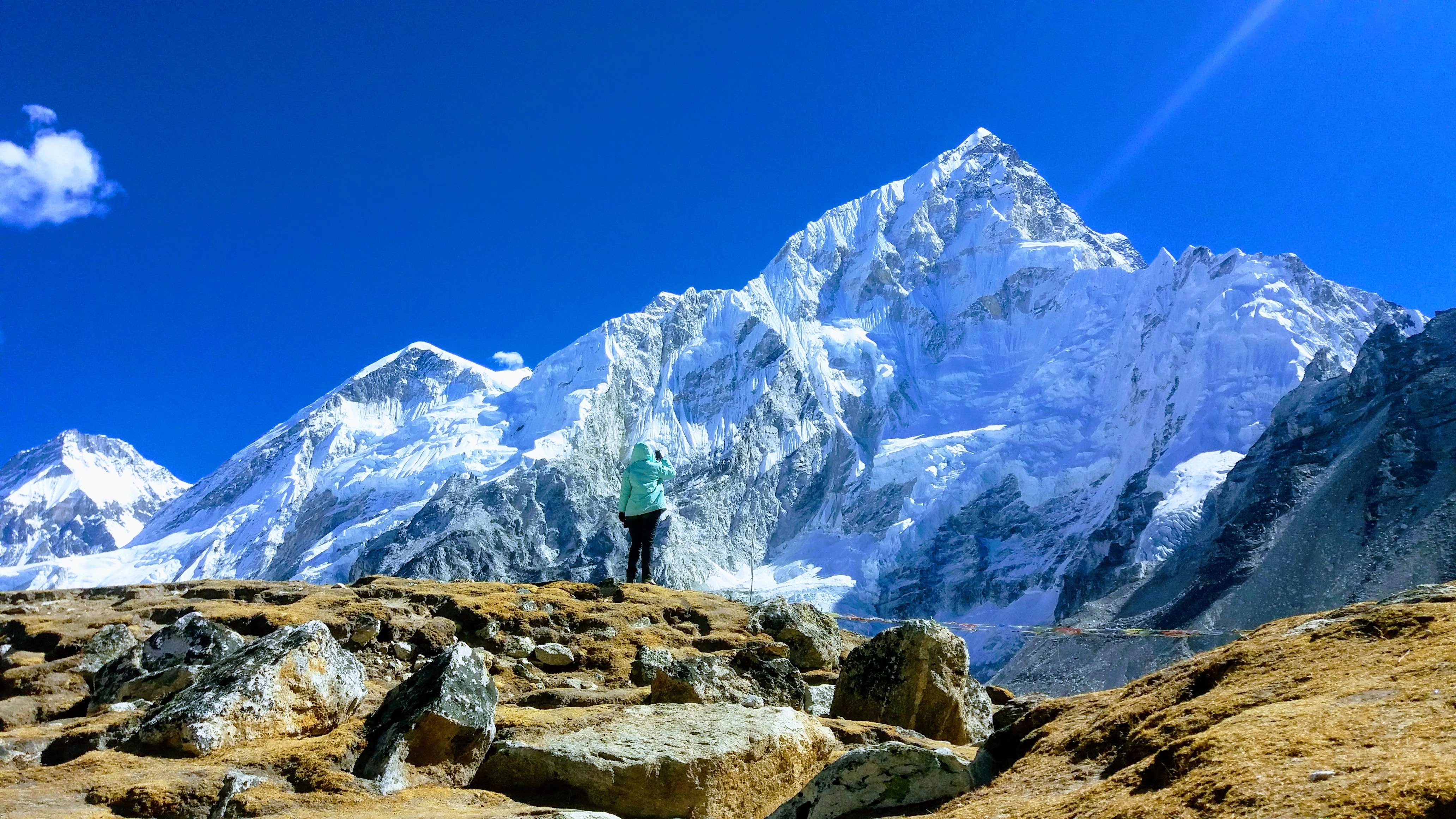
Himalayan Video Documentary & Route Guide
Watch route highlights and expedition footage for Everest Base Camp Trek: Complete Guide, Itinerary, Cost & Best Time to Trek
The Everest Dream: Beyond Just Reaching 5,364 Meters
Standing beneath the shifting seracs of the Khumbu Icefall at 5,364 meters is one of life's most humbling milestones. Yet after leading expeditions through the Solukhumbu for more than twenty years, our team at Nepal View Treks always reminds incoming adventurers: Everest Base Camp is not a trophy to rush toward; it is an ancient pilgrimage through the living heart of Sherpa Buddhist culture. From the hair-raising landing on the sloping airstrip of Tenzing-Hillary Airport in Lukla to the quiet monastery chants of Tengboche, every single kilometer teaches you humility, endurance, and deep respect for high-altitude mountain terrain.
Fast Facts & Expedition Metrics
| Metric | Official Specification | Guide Notes |
|---|---|---|
| Total Trail Distance | 130 km (80.7 miles) round-trip | Measured from Lukla to Base Camp and back |
| Maximum Elevation | Kala Patthar: 5,545 m (18,192 ft) | Everest Base Camp sits at 5,364 m (17,598 ft) |
| Standard Duration | 12 to 14 Days | Requires a minimum of 2 dedicated acclimatization days |
| Trail Difficulty | Moderate to Demanding | Non-technical hiking, but steep rocky moraine & low oxygen |
| Best Trekking Windows | Spring (March – May) & Autumn (Sept – Nov) | Crisp mountain visibility and stable barometric pressure |
| Required Permits | Khumbu Pasang Lhamu Entry + Sagarmatha Park | Arranged in Lukla and Monjo checkpoints |
| Average Daily Budget | $35 – $50 USD per trekker | Covers three hot meals, boiled water, battery charging, and teahouse room |
Comprehensive 14-Day Day-by-Day Expedition Itinerary
Ascending too quickly is the primary reason why otherwise fit travelers fail to reach Base Camp. Here is our exact, battle-tested itinerary designed for optimal acclimatization and safety:
- Day 01: Flight from Kathmandu or Ramechhap to Lukla (2,840 m) & Trek to Phakding (2,610 m). 3.5 hours of gentle downhill walking along the turquoise Dudh Koshi river through pine and cedar woodlands.
- Day 02: Phakding to Namche Bazaar (3,440 m). 6 hours of uphill trekking. You cross five suspended steel bridges, including the famous Hillary Suspension Bridge draped in colorful prayer flags, before ascending the steep pine forest switchbacks to the Khumbu’s bustling amphitheater capital.
- Day 03: Mandatory Acclimatization Day 01 in Namche Bazaar (3,440 m). Morning hike up to the Everest View Hotel (3,880 m) for your first panoramic glimpse of Mount Everest, Lhotse, and the iconic spire of Ama Dablam. Afternoon exploration of Khumjung village and the historic Hillary School.
- Day 04: Namche Bazaar to Tengboche (3,860 m). 5 hours. Traverse contour trails overlooking deep rhododendron ravines before dropping to Phunki Thenga for lunch, followed by a steady climb to Tengboche Monastery.
- Day 05: Tengboche to Dingboche (4,410 m). 5.5 hours. Cross the tree line into alpine scrub country. Pass ancient mani stone walls in Pangboche and hike beneath the towering north face of Ama Dablam into the wide Imja Valley.
- Day 06: Mandatory Acclimatization Day 02 in Dingboche (4,410 m). Climb the steep ridge of Nangkartshang Peak (5,083 m). This crucial high-altitude excursion triggers red blood cell production, giving you a commanding view of Makalu, Island Peak, and Cholatse.
- Day 07: Dingboche to Lobuche (4,940 m). 5 hours. Cross the alpine flat to Thokla, eat warm soup, then ascend the steep moraine terminal to the Thokla Pass Memorials—stone chortens commemorating climbers and Sherpas who lost their lives on Everest.
- Day 08: Lobuche to Gorak Shep (5,164 m) & Push to Everest Base Camp (5,364 m). 7.5 hours total. Hike through rough glacial scree to Gorak Shep, drop your main bags, refuel, and navigate the undulating Khumbu Glacier trail to Everest Base Camp. Celebrate at the iconic painted rock marker before returning to Gorak Shep to sleep.
- Day 09: Dawn Ascent of Kala Patthar (5,545 m) & Descent to Pheriche (4,240 m). 7 hours. A pre-dawn 4:00 AM push under headlamps to the rocky summit of Kala Patthar. This provides the single greatest unobstructed view of Mount Everest’s black pyramid, Nuptse, and the South Col illuminated in pink morning light. Descend for breakfast, then drop 1,300 meters down to Pheriche.
- Day 10: Pheriche to Namche Bazaar (3,440 m). 6.5 hours. Enjoy rich oxygen as your lungs re-expand. Celebrate in Namche with a fresh bakery treat and hot coffee.
- Day 11: Namche Bazaar to Lukla (2,840 m). 7 hours. Final full day of trail walking. Crossing the suspension bridges one last time to Lukla for a farewell dinner with your guide and porter crew.
- Day 12: Morning Flight from Lukla to Kathmandu / Ramechhap. Return to the capital for hot showers and hotel relaxation.
Cost Breakdown: Realistic Expenses for 2026/2027
Trekking budgets in Nepal vary depending on logistical support, but hidden costs often catch unprepared travelers by surprise.
- Domestic Flights (Kathmandu / Ramechhap to Lukla Roundtrip): $380 – $440 USD per passenger (includes 15 kg luggage allowance: 10 kg duffel + 5 kg hand carry).
- Local Government & Conservation Permits: Khumbu Pasang Lhamu Rural Municipality Permit (NPR 3,000 / ~$23 USD) + Sagarmatha National Park Permit (NPR 3,000 + 13% VAT / ~$27 USD). Total: ~$50 USD.
- Teahouse Meals on the Trail: Expect $7 to $9 per plate in Phakding and Namche, rising to $12 to $16 in Lobuche and Gorak Shep due to high-altitude porter transport costs.
- Teahouse Amenities & Incidentals: Hot gas showers ($4 – $7), device charging ($3 – $6 per powerbank), boiled drinking water ($2 – $4 per liter), and Everest Link Wi-Fi cards ($20 for 10GB / 30 days).
Weather Patterns & Month-by-Month Guide
- Autumn (Late September through November): Clear, crisp skies, minimal rainfall, and daytime temperatures between 10°C and 15°C in the valleys. Nighttime temperatures drop to -10°C to -15°C above 4,000m.
- Spring (March through May): The famous blooming season for rhododendron and magnolia forests. Longer daylight hours, slightly warmer nights, and base camp is bustling with mountaineering summit teams.
- Winter (December through February): Freezing temperatures (-20°C to -25°C at night) with quiet, empty trails. Requires expedition sleeping bags and microspikes.
- Summer Monsoon (June through August): Heavy cloud cover, leeches in the lowlands, and frequent flight cancellations into Lukla. Not recommended.
Gear Checklist: Crucial Items You Cannot Compromise On
- 800+ Fill Power Down Jacket with a baffled hood (essential for evenings in unheated dining rooms).
- -15°C Comfort-Rated Four-Season Sleeping Bag (do not rely solely on thin teahouse quilts).
- Broken-in Waterproof Gore-Tex Trekking Boots with deep Vibram lugs.
- UV Category 4 Glacier Sunglasses (prevents debilitating snow blindness on the Khumbu moraine).
- Two 1-Liter Nalgene Bottles with thermal insulating jackets (fill with boiling water at night to warm your sleeping bag).
- Multi-Stage Water Purification Tablets (Aquatabs) or SteriPEN UV Purifier.
Final Advice from Our Expedition Lead
Success on Everest Base Camp is 80% mental pacing and 20% physical fitness. Slow your stride down to a steady, rhythmic cadence. Sip water continuously even when you do not feel thirsty. Keep your hands and feet warm, and greet every passing local and porter with a genuine *Namaste*.
Sital Dhakal
Certified Himalayan GuideFounder & Lead Expedition Guide · Govt. License #2498/075 · TAAN Member #1482
This Himalayan guide is authored and verified by Nepal View Trek’s licensed mountain guides. All recommendations adhere to high-altitude medical protocols, environmental Leave No Trace standards, and current Nepal Tourism Board regulations.
Trending & Most Read Himalayan Guides
 Trekking Guides
Annapurna Circuit Trek: Complete Guide, Cost, Itinerary & Best Time
 Trekking Guides